

Are your real estate portfolios growing where cities are growing?
The use of alternative data including satellite data can significantly improve outcomes in real estate allocations through identifying locations of accelerating growth both across global markets and within individual markets. To further leverage alternative data, machine learning (ML) techniques can be implemented to process information at near-live time scale or at regular time intervals, e,g, annually, to both identify and monitor emerging and expanding market hotspots.
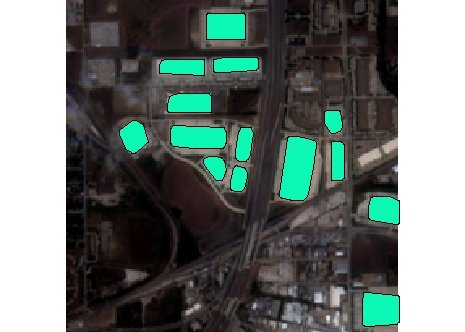

Forecasting logistics rents with alternative data, Dallas/Ft. Worth
Using alternative data improves forecasts of logistics rents in a market, provides superior forward looking characteristics compared to traditional data such as employment in the sector and allows significant flexibility in assessing more granular submarket or specific asset geolocations . Alternative data is both more consistent and more timely giving users and investors near real-time nowcasting ability of logistics and distribution activity at any location.

Logistics, valuing sectors in listed markets using ML
We illustrate how machine learning techniques can enhance valuation methodologies of sectors in listed real estate markets and how investors can both interpret and incorporate changing market conditions when considering sector tilts or underwriting of individual stocks. Sector tilts are an important source of alpha for investors which makes interpreting future prospects for sector performance a critical part of the investment process. We illustrate how ML and econometric models can be utilised for both spot valuations and to form well informed, data driven expectations about future performance.
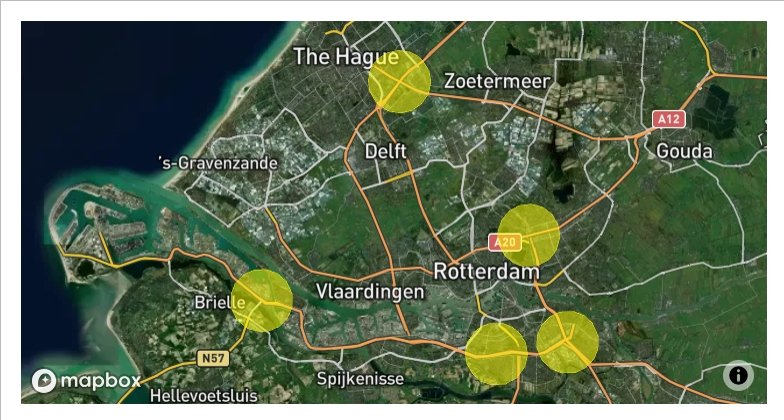
Market and city level nowcasting data
Kania is launching unique nowcasting data sets for real estate markets based on monitoring of physical transport vehicle flows. The data sets are a development from Kania’s asset level and geolocation specific monitoring capabilities. Aggregating transport flows across multiple key transport routes such as around freight handling locations and logistics zones within a market provides live nowcasting of both transport and distribution activity critical to logistics real estate but also nowcasting of general economic activity in a market with significant implications for other real estate sectors such as retail and hospitality.

Active trading patterns in fundamental REIT funds
There is some evidence to suggest that fundamental REIT managers (“FRMs”) are largely trend followers. A large part of messaging from FRMs is comments on most recent performance of various sectors and messaging regarding expectations for secular trends or tailwinds in sectors that are already trending.

Case Study: Submarket and geolocation intelligence for logistics real estate
Kania Advisors provided unique market intelligence to a US-based private equity investment firm. This information provided unique granular insights to understand, benchmark and compare both logistics market dynamics and specific asset geolocation attributes.

Key geolocation attributes of logistics rents
In this note we evaluate the importance of geolocation specific attributes of logistics real estate assets on rents achieved at asset level. Understanding geolocation attributes is critical in estimating fair value rents at more granular level compared to general markets rents, valuations and pricing of assets as well as guiding investment and operational decisions in managing logistics assets.

Pricing geolocation attributes in logistics assets
In this note we highlight how geolocation attributes of transport traffic activity might impact pricing and risk characteristics of logistics real estate assets and how investors can both gain more granular insight when underwriting transactions as well as manage exposures more accurately on an ongoing basis.

Ahead of the curve, where Amazon's next UK warehouse could close
In this note we use Kania Advisor’s geolocation analytics platform for logistics real estate to evaluate potential markets and locations across Amazon’s UK distribution warehouse network that could be exposed to weakening consumer and retail conditions. While we use Amazon to illustrate some key concepts, the platform provides analytics and ongoing live monitoring across a range of dimensions such as markets, locations, portfolios or single assets or any geolocation or user defined geography.